I BEGIN WITH DISCOMFORT. I FOLLOW questions,NOT MEDIUMS. SKIN IS AN INTERFACE BETWEEN WHAT WE FEEL AND WHAT OTHERS SEE.
ARCHIVE of Skin
Rooted in my own experience with skin allergies, my work explores how discomfort and prejudice surrounding the body shape the way we see ourselves and respond to others. By creating interactive pieces that can be touched or worn, I invite viewers to question their own biases through physical experience. My practice moves from personal pain toward shared connection, asking how an experience of vulnerability might change the way we approach one another.


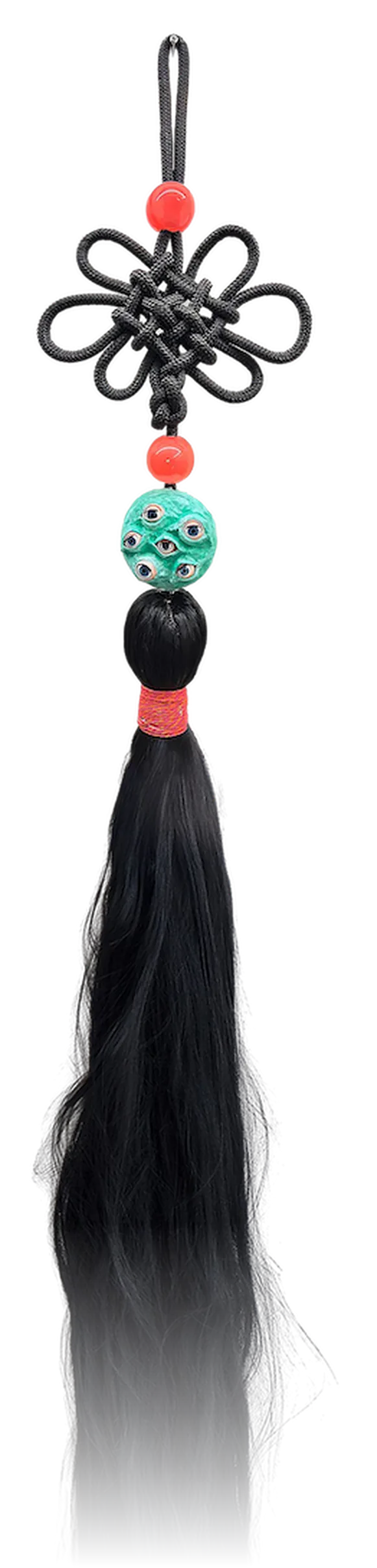
SKIN. THE FIRST GATEWAY, THE LIVING PASSAGE THAT CONNECTS US TO THE WORLD.


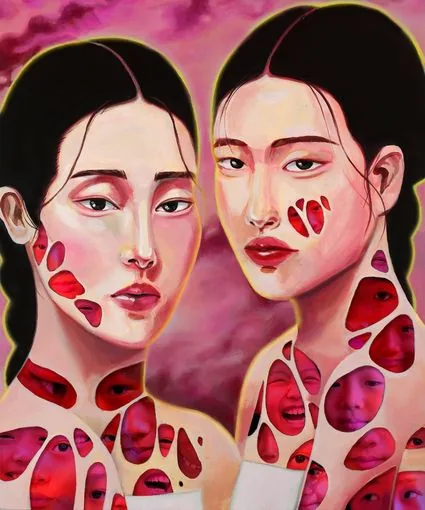
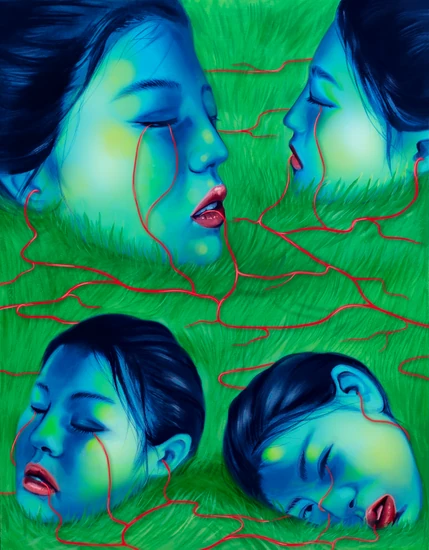
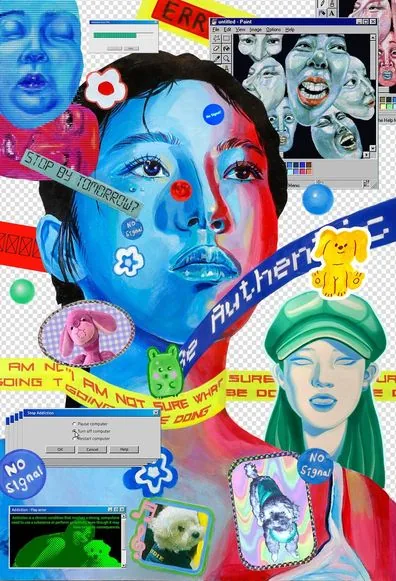
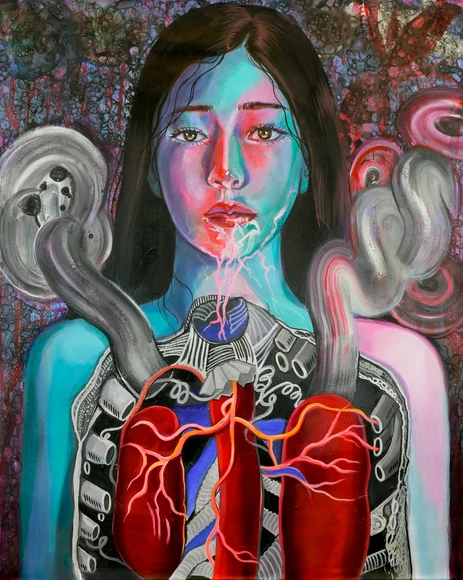
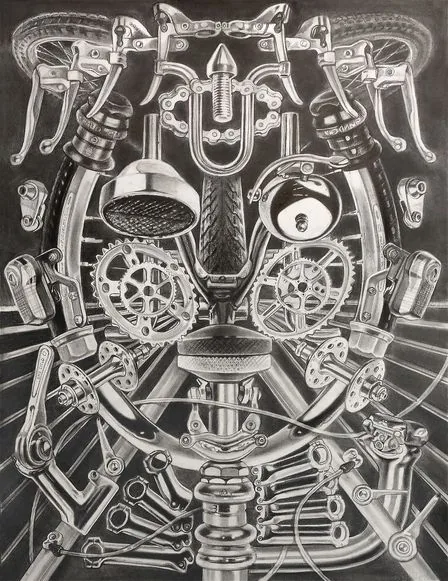
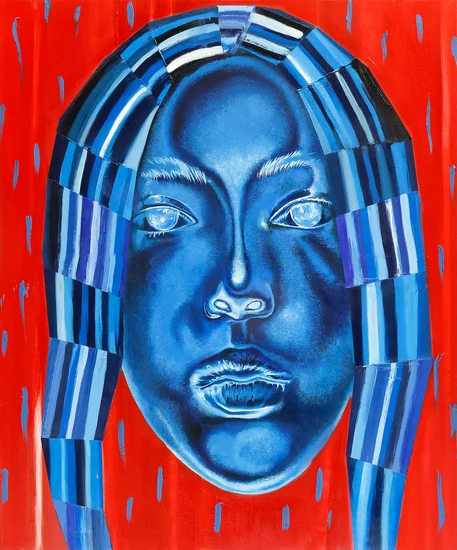
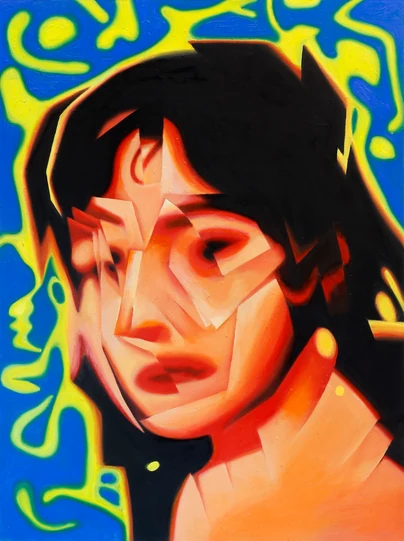
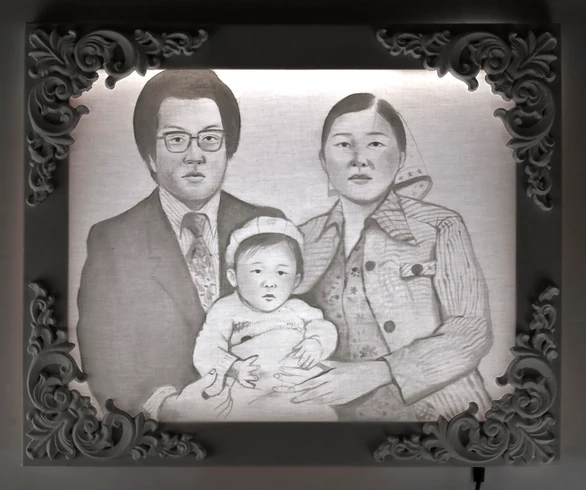
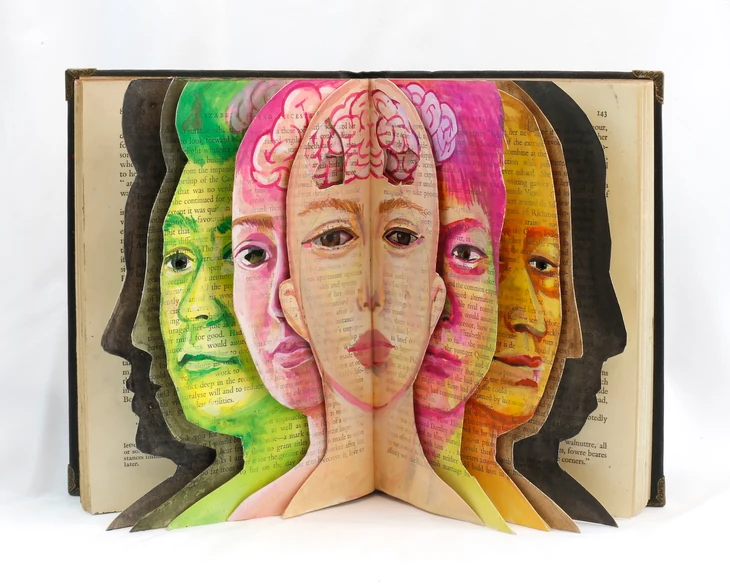
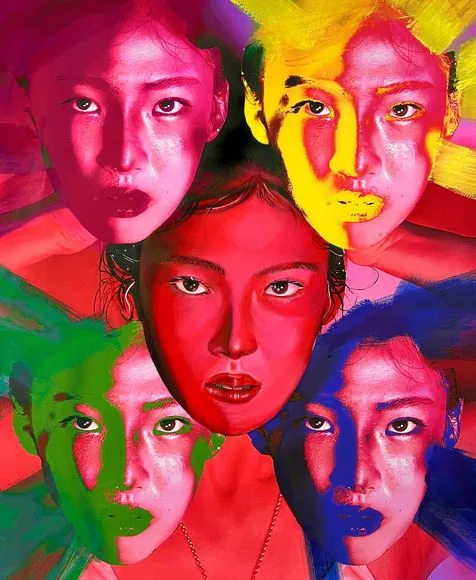
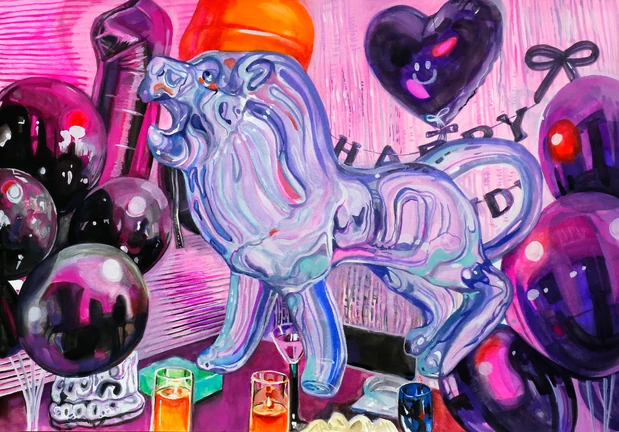
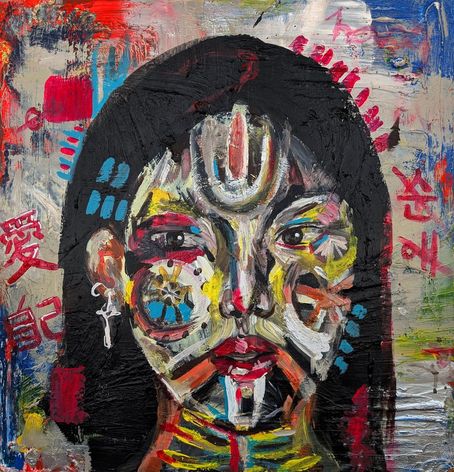
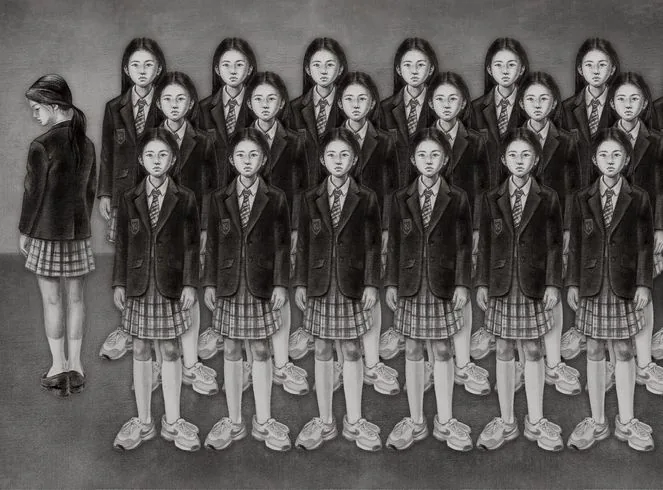
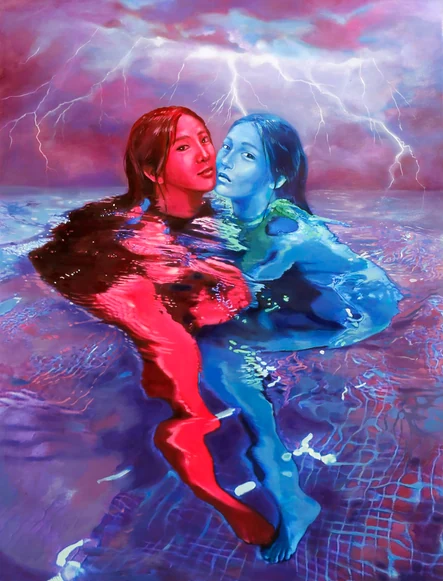
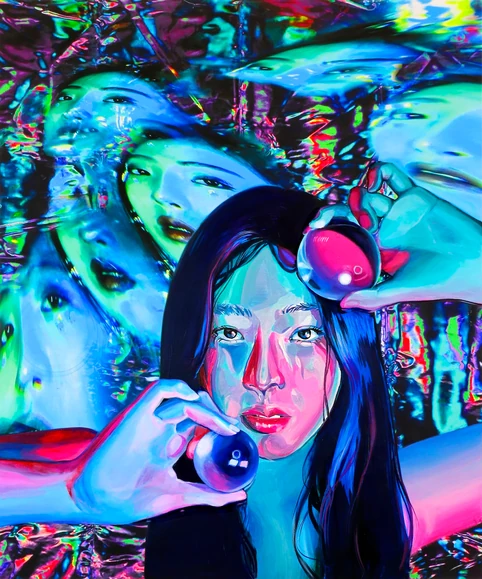
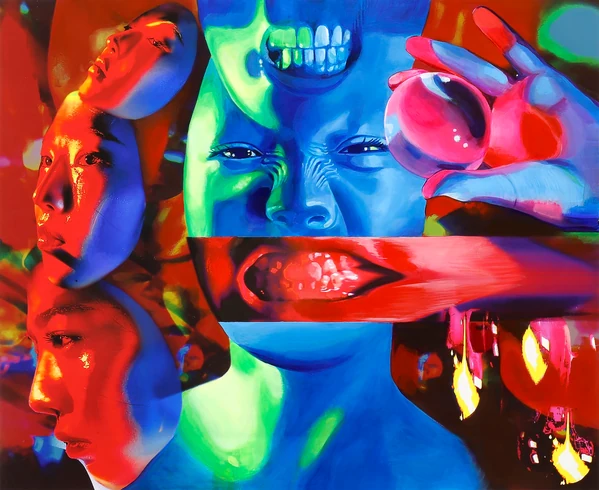
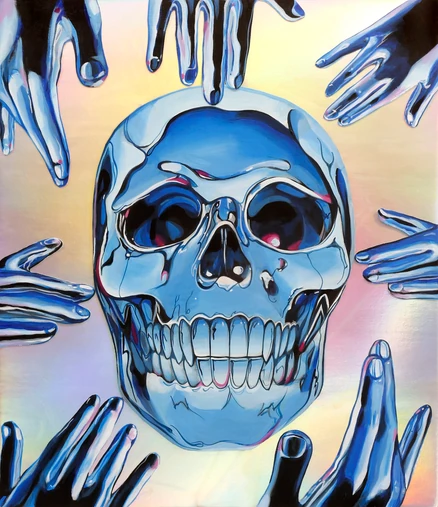
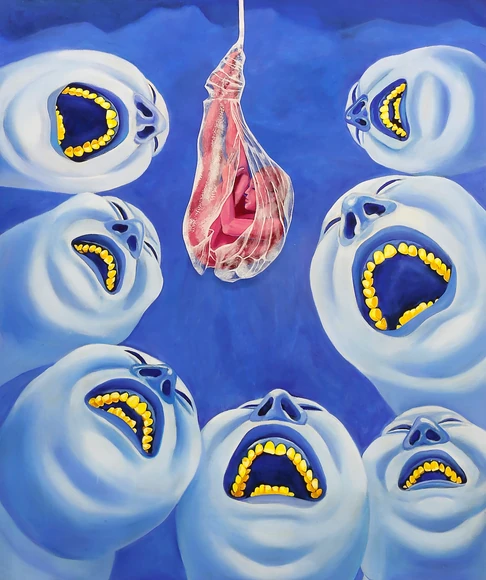
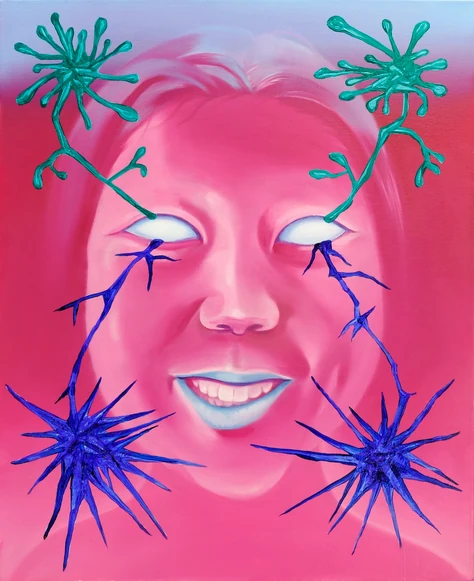
BREAKINGconformity
This project traces my journey toward emotional honesty as I move between societies shaped by different expectations. Growing up in Korea, I often kept strong emotions to myself, careful to show only what others seemed ready to accept. After moving to the United States, I began questioning how much I had learned to hold back.
What do we see-and what do we assume?
I’m interested in how we interpret what we see, and how those interpretations shape what we design for others.
-
2024
Can computer vision help me study a drawing’s visible features before I ask what they might mean?
-
2025
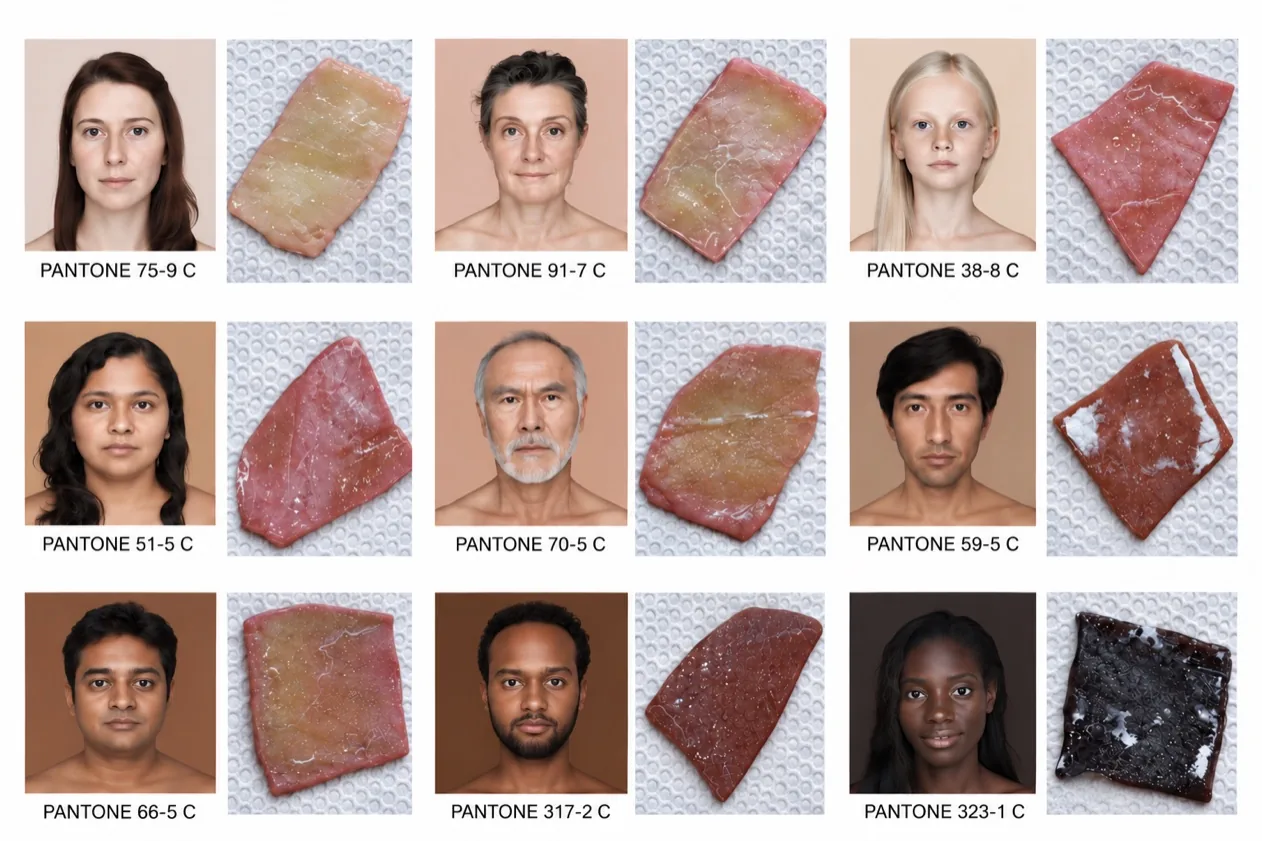
Whose skin becomes the standard
when a material is called “skin-colored? -
2026
What if a patch gave its wearer more say
in how they are seen? -
2026
How can measuring a bruise help doctors, patients, victims, and police speak a common language?
Bacterial Cellulose Patch

Research → Test → Present → Jury Feedback
I developed biodegradable bacterial cellulose patches colored with natural dyes to explore how medical materials could reflect a wider range of skin tones. I tested their color, flexibility, absorption, and adhesion, using CIEDE2000 to measure skin-tone similarity. The research received a Gold Award at the Korea Science & Engineering Fair. The judges’ question about durability pushed me to consider how the material would hold up on skin in everyday use.
SKIN SWAP
Reframe → Prototype → Share → User Feedback → Refine ↺
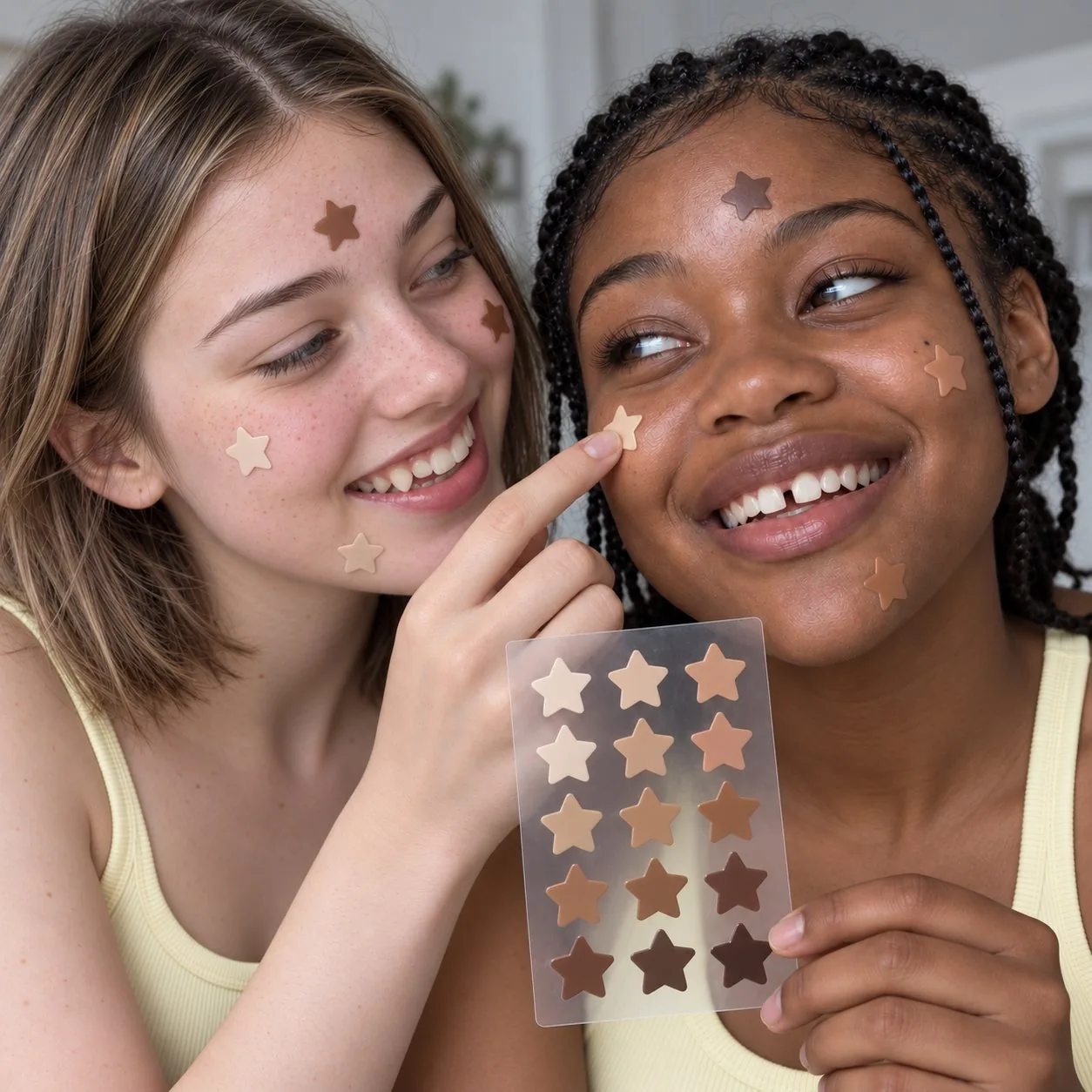
What if skin tone could be shared? I am developing playful, star-shaped bacterial cellulose pimple patches in a range of skin tones. Rather than serving only to hide blemishes, the patches could let wearers choose a shade close to their own or deliberately try on someone else’s “skin.” A color we often read as an identity marker can become something we choose, display, and share. Developed from my Bacterial Cellulose patches research, I explore the transition from tested material to wearable design.
BRUISE Trace
BruiseTrace is an AI-assisted image-analysis tool for tracking visible changes in bruises. Users select an area to analyze, and the tool converts its color information into measurements that can be compared over time. My goal is to create a shared language for doctors, patients, victims, and police to describe and discuss the same injury from different perspectives.
HOW IT WORKS
Upload Image → Select Bruise Area → Analyze Color → Review Results
REVISION
Clinician Feedback → Test → Revise ↺
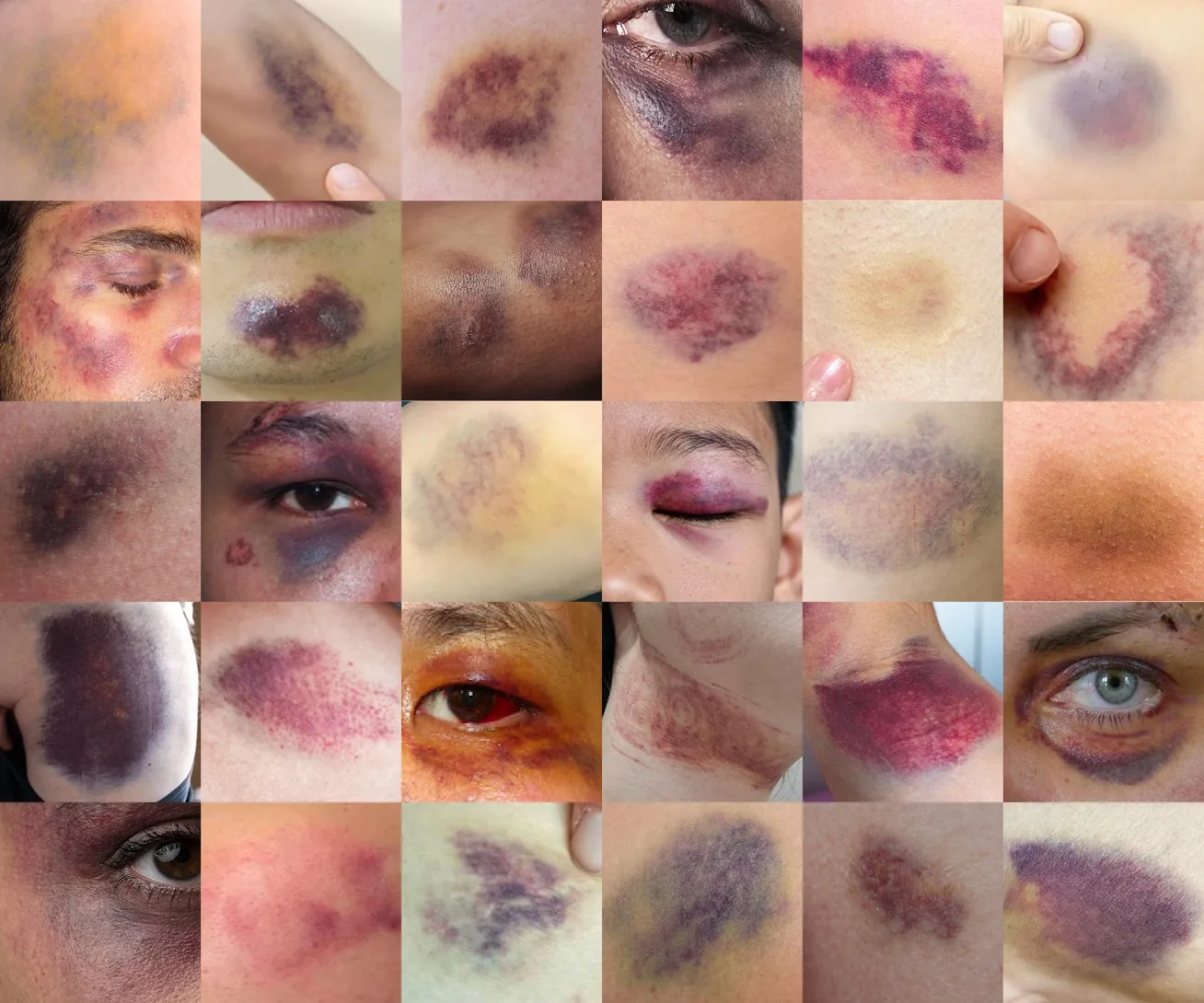
200+
BRUISE
CASES


I’M IO, I LOOK TWICE.I EXPLORE THE PLACES WHERE ART, SCIENCE, AND THE HUMAN BODY OVERLAP, INVESTIGATING WHAT WE MISS WHEN WE STOP AT THE SURFACE. THROUGH RESEARCH, ARTWORKS, AND TOOLS PEOPLE CAN INTERACT WITH, I TURN OVERLOOKED dETAILS INTO OPPORTUNITIES FOR A DIFFERENT WAY OF SEEING.
ABOUT IO